
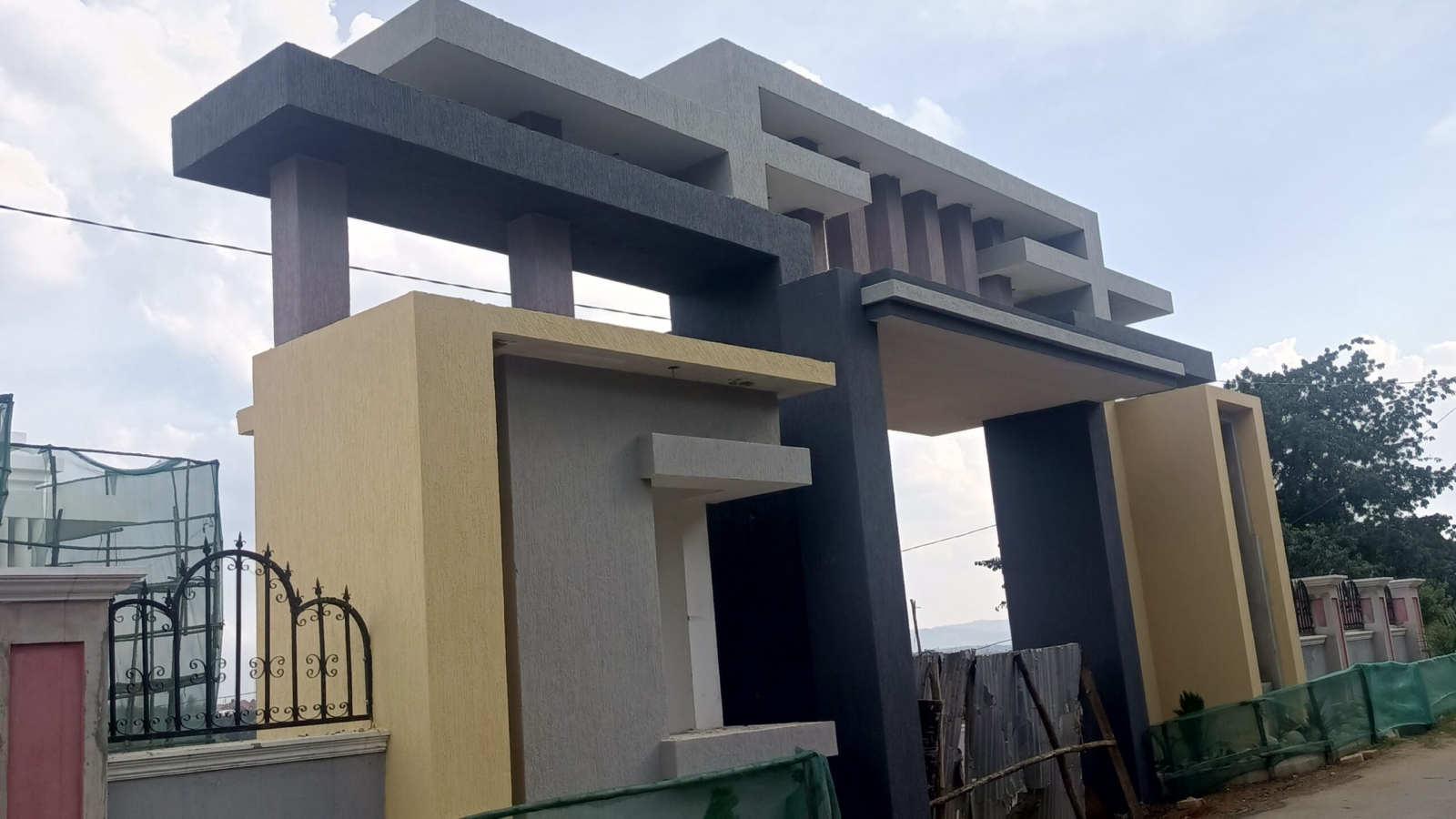
Construction projects require careful planning, skilled professionals, and effective project management. Unfortunately, many projects experience avoidable setbacks due to common mistakes that lead to delays, increased costs, poor workmanship, and dissatisfied clients.
Whether you’re building a residential home, commercial property, industrial facility, or public infrastructure, understanding these common mistakes can help you make informed decisions and achieve a successful outcome.
At PYMMAK Construction and Engineering Services Limited, we believe that prevention is always better than correction. This guide highlights ten of the most common construction mistakes and explains how to avoid them.
1. Poor Project Planning
Every successful construction project begins with a detailed plan. Without clear objectives, realistic budgets, and accurate schedules, projects can quickly become disorganized.
Common consequences include:
- Project delays
- Cost overruns
- Material shortages
- Frequent design changes
- Miscommunication
How to avoid it
- Develop a detailed project plan.
- Establish realistic timelines.
- Identify potential risks early.
- Define project goals and deliverables.
- Involve experienced engineers during the planning stage.
2. Choosing the Wrong Contractor
Hiring a contractor based solely on the lowest price is one of the biggest mistakes property owners make.
An inexperienced contractor may lack the technical expertise, equipment, or management skills required for a successful project.
How to avoid it
Choose a contractor with:
- Proven experience
- Qualified engineers
- Positive client testimonials
- Strong project portfolio
- Proper licensing
- Transparent pricing
Investing in a reputable contractor often saves money in the long run.
3. Unrealistic Budgeting
Many construction projects fail because the initial budget does not account for all expected costs.
Hidden expenses may include:
- Site preparation
- Utility connections
- Design revisions
- Material price fluctuations
- Equipment hire
- Permit fees
How to avoid it
Prepare a comprehensive budget that includes:
- Labor
- Materials
- Equipment
- Professional fees
- Taxes
- Contingency funds (typically 10–15%)
A realistic budget reduces financial stress throughout the project.
4. Using Low-Quality Materials
Cheap materials may reduce initial costs but often result in expensive repairs and shorter building lifespans.
Poor-quality materials can lead to:
- Structural cracks
- Water leaks
- Premature deterioration
- Increased maintenance costs
- Safety concerns
How to avoid it
Always purchase materials from reputable suppliers and verify that they meet recognized quality standards.
Quality materials improve durability and protect your investment.
5. Ignoring Building Codes and Regulations
Construction projects must comply with national and local building regulations.
Failure to comply can result in:
- Project shutdowns
- Legal penalties
- Expensive redesigns
- Demolition orders
- Safety hazards
How to avoid it
Work with qualified professionals who understand local regulations and obtain all required approvals before construction begins.
6. Poor Communication
Construction projects involve multiple stakeholders, including clients, architects, engineers, contractors, suppliers, and government authorities.
Poor communication often leads to:
- Incorrect construction
- Delayed decisions
- Costly rework
- Project disputes
How to avoid it
Maintain clear communication by:
- Holding regular project meetings
- Sharing progress reports
- Documenting decisions
- Responding quickly to concerns
Transparent communication helps projects run smoothly.
7. Inadequate Site Supervision
Even the best designs can fail if construction work is not properly supervised.
Without regular inspections, mistakes may go unnoticed until they become expensive to correct.
Effective supervision includes:
- Daily site inspections
- Quality control checks
- Safety monitoring
- Progress tracking
- Contractor coordination
Professional supervision ensures that work meets engineering specifications.
8. Neglecting Construction Safety
Safety should never be compromised.
Unsafe construction sites increase the risk of:
- Worker injuries
- Equipment damage
- Project delays
- Legal liability
- Financial losses
Best safety practices include:
- Wearing Personal Protective Equipment (PPE)
- Conducting safety training
- Inspecting equipment regularly
- Maintaining clean work areas
- Following emergency procedures
A safe construction site is a productive construction site.
9. Frequent Design Changes During Construction
Changing building designs after construction has started is one of the fastest ways to increase costs and delay completion.
Late design changes often require:
- Demolition
- Material replacement
- Schedule adjustments
- Additional labor
- Engineering revisions
How to avoid it
Finalize designs before construction begins and carefully review all plans with your project team.
Any necessary changes should be evaluated for cost and schedule impact before approval.
10. Lack of Quality Control
Quality control ensures that every stage of construction meets project specifications.
Without proper quality assurance, buildings may develop defects that require costly repairs.
Quality control should include:
- Material inspections
- Structural testing
- Concrete strength testing
- Finishing inspections
- Compliance checks
Consistent quality inspections lead to safer and longer-lasting structures.
Best Practices for Successful Construction Projects
To maximize your project’s success:
- Define clear project goals.
- Hire qualified professionals.
- Develop a realistic budget.
- Create a detailed construction schedule.
- Use high-quality materials.
- Follow building regulations.
- Monitor progress regularly.
- Maintain open communication.
- Prioritize worker safety.
- Conduct routine quality inspections.
Following these best practices reduces risks and improves project outcomes.
The Value of Professional Project Management
Professional project management helps coordinate every aspect of construction, including planning, budgeting, procurement, scheduling, quality assurance, and stakeholder communication.
Benefits include:
- Improved efficiency
- Better cost control
- Reduced delays
- Enhanced quality
- Stronger risk management
- Increased client satisfaction
An experienced project manager keeps construction activities organized and aligned with project objectives.
Why Choose PYMMAK Construction and Engineering Services Limited?
At PYMMAK Construction and Engineering Services Limited, we understand that successful construction depends on careful planning, technical expertise, and attention to detail.
Our services include:
- Residential construction
- Commercial construction
- Civil engineering works
- Road construction
- Structural engineering
- Renovations and remodeling
- Project management
- Site supervision
- Infrastructure development
Our experienced team is committed to delivering projects that are safe, durable, cost-effective, and completed to the highest professional standards.
Conclusion
Construction mistakes can be costly, but they are often preventable. Proper planning, experienced professionals, quality materials, effective communication, and rigorous quality control are the keys to successful project delivery.
By partnering with a trusted construction company like PYMMAK Construction and Engineering Services Limited, you can avoid common pitfalls and ensure your project is completed on time, within budget, and to exceptional quality standards.
Whether you’re building a home, office, school, warehouse, or infrastructure project, making informed decisions today will protect your investment for years to come.
Frequently Asked Questions (FAQs)
What is the most common mistake in construction?
Poor planning is one of the leading causes of construction delays, budget overruns, and project failures.
How can I avoid construction delays?
Develop a realistic schedule, hire experienced professionals, procure materials early, and monitor progress regularly.
Why is quality control important?
Quality control ensures construction work meets engineering standards, reduces defects, and increases the lifespan of the building.
How much contingency should I include in my construction budget?
Many projects benefit from setting aside approximately 10–15% of the total budget for unexpected costs.
Why should I work with PYMMAK Construction and Engineering Services Limited?
We combine engineering expertise, professional project management, strict quality control, and a commitment to client satisfaction to deliver reliable construction solutions across Uganda.