0-0x0-0-0#

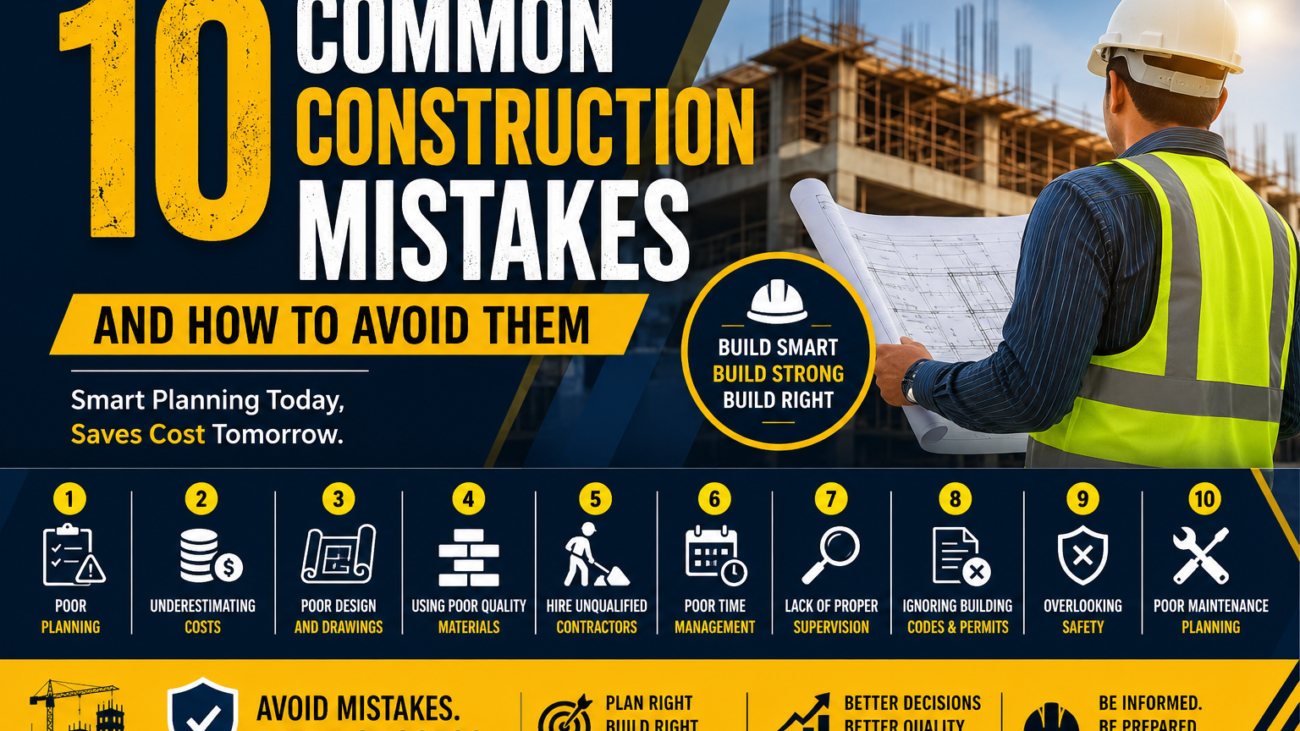
10 Common Construction Mistakes and How to Avoid Them

Construction projects require careful planning, skilled professionals, and effective project management. Unfortunately, many projects experience avoidable setbacks due to common mistakes that lead to delays, increased costs, poor workmanship, and dissatisfied clients.

Whether you’re building a residential home, commercial property, industrial facility, or public infrastructure, understanding these common mistakes can help you make informed decisions and achieve a successful outcome.

At PYMMAK Construction and Engineering Services Limited, we believe that prevention is always better than correction. This guide highlights ten of the most common construction mistakes and explains how to avoid them.


1. Poor Project Planning

Every successful construction project begins with a detailed plan. Without clear objectives, realistic budgets, and accurate schedules, projects can quickly become disorganized.

Common consequences include:

  • Project delays
  • Cost overruns
  • Material shortages
  • Frequent design changes
  • Miscommunication

How to avoid it

  • Develop a detailed project plan.
  • Establish realistic timelines.
  • Identify potential risks early.
  • Define project goals and deliverables.
  • Involve experienced engineers during the planning stage.

2. Choosing the Wrong Contractor

Hiring a contractor based solely on the lowest price is one of the biggest mistakes property owners make.

An inexperienced contractor may lack the technical expertise, equipment, or management skills required for a successful project.

How to avoid it

Choose a contractor with:

  • Proven experience
  • Qualified engineers
  • Positive client testimonials
  • Strong project portfolio
  • Proper licensing
  • Transparent pricing

Investing in a reputable contractor often saves money in the long run.


3. Unrealistic Budgeting

Many construction projects fail because the initial budget does not account for all expected costs.

Hidden expenses may include:

  • Site preparation
  • Utility connections
  • Design revisions
  • Material price fluctuations
  • Equipment hire
  • Permit fees

How to avoid it

Prepare a comprehensive budget that includes:

  • Labor
  • Materials
  • Equipment
  • Professional fees
  • Taxes
  • Contingency funds (typically 10–15%)

A realistic budget reduces financial stress throughout the project.


4. Using Low-Quality Materials

Cheap materials may reduce initial costs but often result in expensive repairs and shorter building lifespans.

Poor-quality materials can lead to:

  • Structural cracks
  • Water leaks
  • Premature deterioration
  • Increased maintenance costs
  • Safety concerns

How to avoid it

Always purchase materials from reputable suppliers and verify that they meet recognized quality standards.

Quality materials improve durability and protect your investment.


5. Ignoring Building Codes and Regulations

Construction projects must comply with national and local building regulations.

Failure to comply can result in:

  • Project shutdowns
  • Legal penalties
  • Expensive redesigns
  • Demolition orders
  • Safety hazards

How to avoid it

Work with qualified professionals who understand local regulations and obtain all required approvals before construction begins.


6. Poor Communication

Construction projects involve multiple stakeholders, including clients, architects, engineers, contractors, suppliers, and government authorities.

Poor communication often leads to:

  • Incorrect construction
  • Delayed decisions
  • Costly rework
  • Project disputes

How to avoid it

Maintain clear communication by:

  • Holding regular project meetings
  • Sharing progress reports
  • Documenting decisions
  • Responding quickly to concerns

Transparent communication helps projects run smoothly.


7. Inadequate Site Supervision

Even the best designs can fail if construction work is not properly supervised.

Without regular inspections, mistakes may go unnoticed until they become expensive to correct.

Effective supervision includes:

  • Daily site inspections
  • Quality control checks
  • Safety monitoring
  • Progress tracking
  • Contractor coordination

Professional supervision ensures that work meets engineering specifications.


8. Neglecting Construction Safety

Safety should never be compromised.

Unsafe construction sites increase the risk of:

  • Worker injuries
  • Equipment damage
  • Project delays
  • Legal liability
  • Financial losses

Best safety practices include:

  • Wearing Personal Protective Equipment (PPE)
  • Conducting safety training
  • Inspecting equipment regularly
  • Maintaining clean work areas
  • Following emergency procedures

A safe construction site is a productive construction site.


9. Frequent Design Changes During Construction

Changing building designs after construction has started is one of the fastest ways to increase costs and delay completion.

Late design changes often require:

  • Demolition
  • Material replacement
  • Schedule adjustments
  • Additional labor
  • Engineering revisions

How to avoid it

Finalize designs before construction begins and carefully review all plans with your project team.

Any necessary changes should be evaluated for cost and schedule impact before approval.


10. Lack of Quality Control

Quality control ensures that every stage of construction meets project specifications.

Without proper quality assurance, buildings may develop defects that require costly repairs.

Quality control should include:

  • Material inspections
  • Structural testing
  • Concrete strength testing
  • Finishing inspections
  • Compliance checks

Consistent quality inspections lead to safer and longer-lasting structures.


Best Practices for Successful Construction Projects

To maximize your project’s success:

  • Define clear project goals.
  • Hire qualified professionals.
  • Develop a realistic budget.
  • Create a detailed construction schedule.
  • Use high-quality materials.
  • Follow building regulations.
  • Monitor progress regularly.
  • Maintain open communication.
  • Prioritize worker safety.
  • Conduct routine quality inspections.

Following these best practices reduces risks and improves project outcomes.


The Value of Professional Project Management

Professional project management helps coordinate every aspect of construction, including planning, budgeting, procurement, scheduling, quality assurance, and stakeholder communication.

Benefits include:

  • Improved efficiency
  • Better cost control
  • Reduced delays
  • Enhanced quality
  • Stronger risk management
  • Increased client satisfaction

An experienced project manager keeps construction activities organized and aligned with project objectives.


Why Choose PYMMAK Construction and Engineering Services Limited?

At PYMMAK Construction and Engineering Services Limited, we understand that successful construction depends on careful planning, technical expertise, and attention to detail.

Our services include:

  • Residential construction
  • Commercial construction
  • Civil engineering works
  • Road construction
  • Structural engineering
  • Renovations and remodeling
  • Project management
  • Site supervision
  • Infrastructure development

Our experienced team is committed to delivering projects that are safe, durable, cost-effective, and completed to the highest professional standards.


Conclusion

Construction mistakes can be costly, but they are often preventable. Proper planning, experienced professionals, quality materials, effective communication, and rigorous quality control are the keys to successful project delivery.

By partnering with a trusted construction company like PYMMAK Construction and Engineering Services Limited, you can avoid common pitfalls and ensure your project is completed on time, within budget, and to exceptional quality standards.

Whether you’re building a home, office, school, warehouse, or infrastructure project, making informed decisions today will protect your investment for years to come.


Frequently Asked Questions (FAQs)

What is the most common mistake in construction?

Poor planning is one of the leading causes of construction delays, budget overruns, and project failures.

How can I avoid construction delays?

Develop a realistic schedule, hire experienced professionals, procure materials early, and monitor progress regularly.

Why is quality control important?

Quality control ensures construction work meets engineering standards, reduces defects, and increases the lifespan of the building.

How much contingency should I include in my construction budget?

Many projects benefit from setting aside approximately 10–15% of the total budget for unexpected costs.

Why should I work with PYMMAK Construction and Engineering Services Limited?

We combine engineering expertise, professional project management, strict quality control, and a commitment to client satisfaction to deliver reliable construction solutions across Uganda.

new22

The Ultimate Guide to Planning a Construction Project

Construction projects, whether residential, commercial, or industrial, require careful planning to ensure they are completed on time, within budget, and to the highest quality standards. Proper planning reduces risks, minimizes delays, improves communication, and helps deliver successful outcomes.

At PYMMAK Construction and Engineering Services Limited, we understand that every successful project begins with a solid plan. This guide outlines the essential steps involved in planning a construction project that meets your goals while maintaining safety, efficiency, and quality.

Why Construction Planning Matters

Planning serves as the foundation of every construction project. Without a clear strategy, projects often experience:

  • Budget overruns
  • Schedule delays
  • Poor workmanship
  • Material shortages
  • Safety incidents
  • Communication breakdowns

Effective planning allows stakeholders to anticipate challenges before they become costly problems.

Step 1: Define Project Objectives

Every project starts with a clear understanding of its purpose.

Ask questions such as:

  • What is the project intended to achieve?
  • Who will use the building?
  • What are the long-term goals?
  • What quality standards are required?

Clearly defining objectives ensures everyone works toward the same vision.

Step 2: Conduct a Site Assessment

Before construction begins, engineers and surveyors evaluate the site.

Important considerations include:

  • Soil conditions
  • Drainage
  • Accessibility
  • Existing infrastructure
  • Environmental factors
  • Utility connections
  • Topography

A thorough site assessment identifies potential risks and influences the project’s design and construction methods.

Step 3: Establish a Realistic Budget

Budgeting involves much more than estimating material costs.

A comprehensive construction budget includes:

  • Land preparation
  • Design and architectural fees
  • Engineering services
  • Building permits
  • Materials
  • Equipment
  • Labor
  • Utilities
  • Transportation
  • Contingency funds
  • Finishing works

Including a contingency reserve helps cover unforeseen expenses without disrupting progress.

Step 4: Develop Detailed Designs

Architects and engineers transform ideas into detailed construction drawings.

These typically include:

  • Architectural plans
  • Structural drawings
  • Electrical layouts
  • Plumbing systems
  • Mechanical designs
  • Landscape plans

Accurate drawings reduce construction errors and improve coordination among contractors.

Step 5: Obtain Necessary Approvals

Construction projects must comply with local regulations and building codes.

Depending on the project, approvals may include:

  • Building permits
  • Environmental approvals
  • Utility approvals
  • Fire safety certifications
  • Occupational safety compliance

Obtaining approvals early helps avoid costly delays later.

Step 6: Select the Right Construction Team

Choosing experienced professionals significantly impacts project success.

Look for a contractor with:

  • Proven experience
  • Qualified engineers
  • Skilled workforce
  • Modern equipment
  • Strong safety record
  • Transparent communication
  • Positive client references

An experienced contractor delivers quality workmanship while minimizing project risks.

Step 7: Create a Project Schedule

A construction schedule outlines:

  • Major milestones
  • Procurement timelines
  • Foundation work
  • Structural construction
  • Roofing
  • Mechanical installations
  • Electrical works
  • Interior finishing
  • Final inspections

Project management software is often used to monitor progress and identify delays early.

Step 8: Procure Quality Materials

Using high-quality construction materials improves durability and reduces long-term maintenance costs.

Factors to consider include:

  • Supplier reputation
  • Product certifications
  • Delivery timelines
  • Material availability
  • Cost-effectiveness
  • Sustainability

Reliable suppliers help maintain project schedules.

Step 9: Prioritize Safety

Construction sites involve numerous hazards.

An effective safety program includes:

  • Personal protective equipment (PPE)
  • Worker training
  • Daily toolbox talks
  • Emergency procedures
  • Equipment inspections
  • Safe lifting practices
  • Hazard identification

A strong safety culture protects workers and reduces costly accidents.

Step 10: Monitor Progress

Regular inspections help ensure work meets specifications.

Project managers should monitor:

  • Budget performance
  • Schedule adherence
  • Quality standards
  • Safety compliance
  • Material usage
  • Client satisfaction

Frequent reporting keeps stakeholders informed and supports timely decision-making.

Common Construction Planning Mistakes

Many projects fail due to avoidable planning errors, such as:

  • Inadequate budgeting
  • Poor communication
  • Unrealistic deadlines
  • Ignoring site conditions
  • Hiring inexperienced contractors
  • Delayed procurement
  • Lack of risk management
  • Insufficient supervision

Avoiding these pitfalls significantly increases the likelihood of project success.

The Role of Technology in Construction Planning

Modern construction increasingly relies on technology to improve efficiency.

Examples include:

  • Building Information Modeling (BIM)
  • Drone site surveys
  • GPS equipment
  • Construction management software
  • Digital document management
  • 3D visualization
  • Cloud collaboration tools

Technology enhances accuracy, coordination, and productivity throughout the project lifecycle.

Sustainability in Construction Planning

Sustainable planning benefits both clients and the environment.

Consider incorporating:

  • Energy-efficient designs
  • Solar energy systems
  • Rainwater harvesting
  • Recycled building materials
  • Natural ventilation
  • Efficient insulation
  • Water-saving fixtures

Green construction reduces operating costs while supporting environmental conservation.

Why Work with PYMMAK Construction and Engineering Services Limited?

At PYMMAK Construction and Engineering Services Limited, we provide comprehensive construction solutions tailored to each client’s unique needs. Our experienced team is committed to delivering projects that meet the highest standards of quality, safety, and efficiency.

Our services include:

  • Building construction
  • Civil engineering works
  • Road construction
  • Renovation and remodeling
  • Structural engineering
  • Project management
  • Site supervision
  • Infrastructure development

From initial planning to project completion, we focus on excellence, innovation, and client satisfaction.

Conclusion

Every successful construction project begins with careful planning. Defining clear objectives, preparing realistic budgets, selecting experienced professionals, ensuring regulatory compliance, and maintaining effective communication create the foundation for outstanding results.

Whether you are building a home, commercial facility, or large-scale infrastructure project, investing time in proper planning will save money, reduce risks, and improve the overall quality of your project.

If you are looking for a trusted construction partner in Uganda, PYMMAK Construction and Engineering Services Limited is ready to help turn your vision into reality with professional expertise and reliable construction solutions.

Frequently Asked Questions (FAQs)How long should construction planning take?

Planning timelines vary depending on project size, but thorough planning before construction begins is essential for success.

Why is budgeting important in construction?

A realistic budget helps manage costs, allocate resources effectively, and avoid financial surprises during the project.

What is the biggest cause of construction delays?

Common causes include poor planning, weather conditions, material shortages, design changes, and permit delays.

Why should I hire a professional construction company?

Experienced contractors provide technical expertise, quality workmanship, project management, and compliance with safety and building regulations.

What makes a construction project successful?

Successful projects combine effective planning, skilled professionals, quality materials, strong communication, and continuous monitoring throughout the construction process.

How to Become a Successful Young Entrepreneur

How to Become a Successful Young Entrepreneur

How to Become a Successful Young Entrepreneur: The Ultimate Guide to Building a Thriving Business

Introduction

Young entrepreneurs are transforming industries around the world by turning innovative ideas into successful businesses. With access to technology, online learning, and global markets, there has never been a better time to start a business. However, success is not determined by age—it’s built through discipline, continuous learning, strategic planning, and perseverance.

Whether you’re a student, recent graduate, or young professional dreaming of financial independence, this guide will help you understand the essential steps to becoming a successful young entrepreneur.


What Is a Young Entrepreneur?

A young entrepreneur is someone, typically between the ages of 16 and 35, who identifies opportunities, creates innovative solutions, and builds a business around them. They are willing to take calculated risks to create value for customers while generating income and employment.

Many globally recognized business leaders started at a young age, proving that determination and execution matter more than experience alone.


Why Young Entrepreneurs Have an Advantage

Starting early provides several unique benefits:

  • More time to learn from mistakes
  • Greater flexibility and willingness to adapt
  • Strong understanding of modern technology
  • Easier adoption of digital marketing
  • Opportunity to build wealth over many years
  • Higher energy and creativity
  • Ability to develop valuable professional networks early

Young entrepreneurs also tend to identify emerging market trends faster than established companies.


Step 1: Find a Problem Worth Solving

Every successful business solves a problem.

Instead of asking:

“What business should I start?”

Ask:

“What problem can I solve?”

Examples include:

  • Limited access to affordable housing
  • High transportation costs
  • Difficulty finding trusted domestic workers
  • Lack of professional moving services
  • Poor access to online education
  • Agricultural challenges
  • Digital payment solutions
  • Healthcare accessibility

Businesses that solve real problems attract loyal customers.


Step 2: Develop an Entrepreneurial Mindset

Success starts with your mindset.

Successful entrepreneurs are:

  • Disciplined
  • Patient
  • Curious
  • Resilient
  • Solution-oriented
  • Confident but humble
  • Open to learning

Challenges are inevitable. Instead of seeing failure as the end, view it as valuable feedback that helps improve your business.


Step 3: Learn Business Fundamentals

You don’t need an MBA to become successful.

Understand the basics of:

  • Marketing
  • Sales
  • Customer service
  • Accounting
  • Negotiation
  • Leadership
  • Branding
  • Business law
  • Financial management

Read books, take online courses, attend seminars, and learn from experienced entrepreneurs.

Knowledge compounds over time.


Step 4: Write a Simple Business Plan

A business plan gives your idea direction.

Include:

Executive Summary

Describe your business in one paragraph.

Product or Service

Explain what you’re selling.

Target Market

Who are your customers?

Competitors

Who already serves this market?

Marketing Strategy

How will customers find you?

Revenue Model

How will your business make money?

Startup Costs

Estimate your investment needs.

Growth Plan

Where do you want the business to be in one, three, and five years?


Step 5: Start Small

Many entrepreneurs wait for the “perfect moment.”

Successful entrepreneurs start with what they have.

Begin by:

  • Selling online
  • Offering freelance services
  • Starting a small retail business
  • Launching an e-commerce store
  • Providing consulting
  • Testing your product locally

Starting small reduces financial risk while providing valuable market feedback.


Step 6: Build a Strong Personal Brand

People often buy from people before they buy from businesses.

Create a professional presence on platforms such as:

  • LinkedIn
  • Facebook
  • Instagram
  • TikTok
  • X
  • YouTube

Share:

  • Business insights
  • Customer success stories
  • Industry knowledge
  • Behind-the-scenes content
  • Educational posts

Consistency builds credibility and trust.


Step 7: Master Sales

Sales are the lifeblood of every business.

Learn how to:

  • Listen carefully
  • Understand customer needs
  • Build trust
  • Handle objections
  • Close deals professionally
  • Follow up consistently

The best entrepreneurs are excellent communicators.


Step 8: Build Strong Financial Habits

Many businesses fail because of poor financial management.

Good practices include:

  • Separating business and personal finances
  • Keeping accurate records
  • Budgeting carefully
  • Saving for emergencies
  • Reinvesting profits
  • Managing debt responsibly

Always know your:

  • Revenue
  • Expenses
  • Profit margins
  • Cash flow

Cash flow is often more important than profit.


Step 9: Build a Great Team

As your business grows, you cannot do everything yourself.

Hire people who:

  • Share your vision
  • Have complementary skills
  • Are reliable
  • Communicate well
  • Focus on customer satisfaction

Great businesses are built by great teams.


Step 10: Embrace Technology

Technology increases efficiency and expands your reach.

Use tools for:

  • Accounting
  • Customer relationship management (CRM)
  • Project management
  • Email marketing
  • Graphic design
  • Social media scheduling
  • Video conferencing
  • E-commerce

Automation saves time and improves productivity.


Step 11: Network with Successful People

Your network influences your opportunities.

Attend:

  • Business conferences
  • Networking events
  • Industry workshops
  • Entrepreneurship forums
  • Startup competitions

Build genuine relationships rather than simply collecting business cards.

Mentors can help you avoid costly mistakes.


Step 12: Learn Digital Marketing

Modern businesses grow online.

Focus on:

Search Engine Optimization (SEO)

Help your website rank higher on search engines.

Social Media Marketing

Build brand awareness and engage with customers.

Email Marketing

Stay connected with existing customers.

Paid Advertising

Reach targeted audiences through online ads.

Content Marketing

Publish valuable articles, videos, and guides that answer customer questions.

Digital marketing provides measurable and scalable growth opportunities.


Step 13: Deliver Outstanding Customer Service

Happy customers become repeat customers.

Provide:

  • Fast responses
  • Honest communication
  • Quality products
  • Reliable service
  • Professional support
  • Prompt issue resolution

Excellent customer service generates referrals and strengthens your reputation.


Step 14: Never Stop Learning

Markets change constantly.

Successful entrepreneurs invest in continuous learning by:

  • Reading books
  • Listening to podcasts
  • Watching educational videos
  • Attending workshops
  • Studying competitors
  • Following industry trends

The more you learn, the more valuable your business becomes.


Common Mistakes Young Entrepreneurs Should Avoid

Avoid these common pitfalls:

  • Waiting too long to start
  • Ignoring customer feedback
  • Poor financial management
  • Trying to do everything alone
  • Copying competitors without innovation
  • Giving up after early setbacks
  • Overspending on unnecessary expenses
  • Neglecting marketing
  • Failing to build systems
  • Lack of consistency

Every mistake is an opportunity to improve if addressed quickly.


Business Ideas for Young Entrepreneurs

Consider these promising opportunities:

  • Real estate agency
  • Property management
  • Digital marketing agency
  • Graphic design studio
  • Web development
  • Mobile app development
  • E-commerce store
  • Delivery services
  • Event planning
  • Photography and videography
  • Construction services
  • Cleaning services
  • Tourism and travel
  • Agribusiness
  • Online education
  • Logistics and transportation
  • Professional moving services
  • Interior design
  • Furniture business
  • Renewable energy solutions

Choose an idea that aligns with your interests, skills, and local market demand.


Habits of Highly Successful Entrepreneurs

Successful business owners consistently:

  • Wake up with clear goals
  • Plan their day
  • Read regularly
  • Exercise
  • Build meaningful relationships
  • Track business performance
  • Invest in personal development
  • Stay organized
  • Adapt to change
  • Focus on long-term growth

Daily habits often determine long-term success.


Final Thoughts

Becoming a successful young entrepreneur is a journey, not an overnight achievement. Every thriving business begins with a simple idea, followed by consistent effort, smart decisions, and a willingness to learn from challenges.

Success comes from solving real problems, creating value for customers, managing your finances wisely, embracing innovation, and continuously improving yourself. While obstacles are inevitable, persistence and adaptability are what separate successful entrepreneurs from those who give up.

Start where you are, use the resources available to you, and take action today. Every step you take brings you closer to building a business that creates impact, generates wealth, and leaves a lasting legacy.


Frequently Asked Questions (FAQs)

What is the best age to start a business?

There is no perfect age. Many successful entrepreneurs start in their late teens or early twenties, while others begin later in life. The best time to start is when you have a viable idea and are ready to commit to learning and taking action.

Do I need a lot of money to start a business?

No. Many businesses begin with minimal capital by offering services, selling online, or starting from home. Focus on solving a problem and reinvest profits as you grow.

What qualities make a successful entrepreneur?

Successful entrepreneurs are disciplined, resilient, adaptable, customer-focused, willing to learn, and capable of making informed decisions under uncertainty.

How can I finance my first business?

Common options include personal savings, support from family or friends, business partners, grants, competitions, crowdfunding, angel investors, or small business loans.

Which industries offer the best opportunities for young entrepreneurs?

Technology, real estate, agribusiness, digital marketing, e-commerce, renewable energy, logistics, education, healthcare services, and creative industries all present strong growth potential, depending on your market and expertise.