
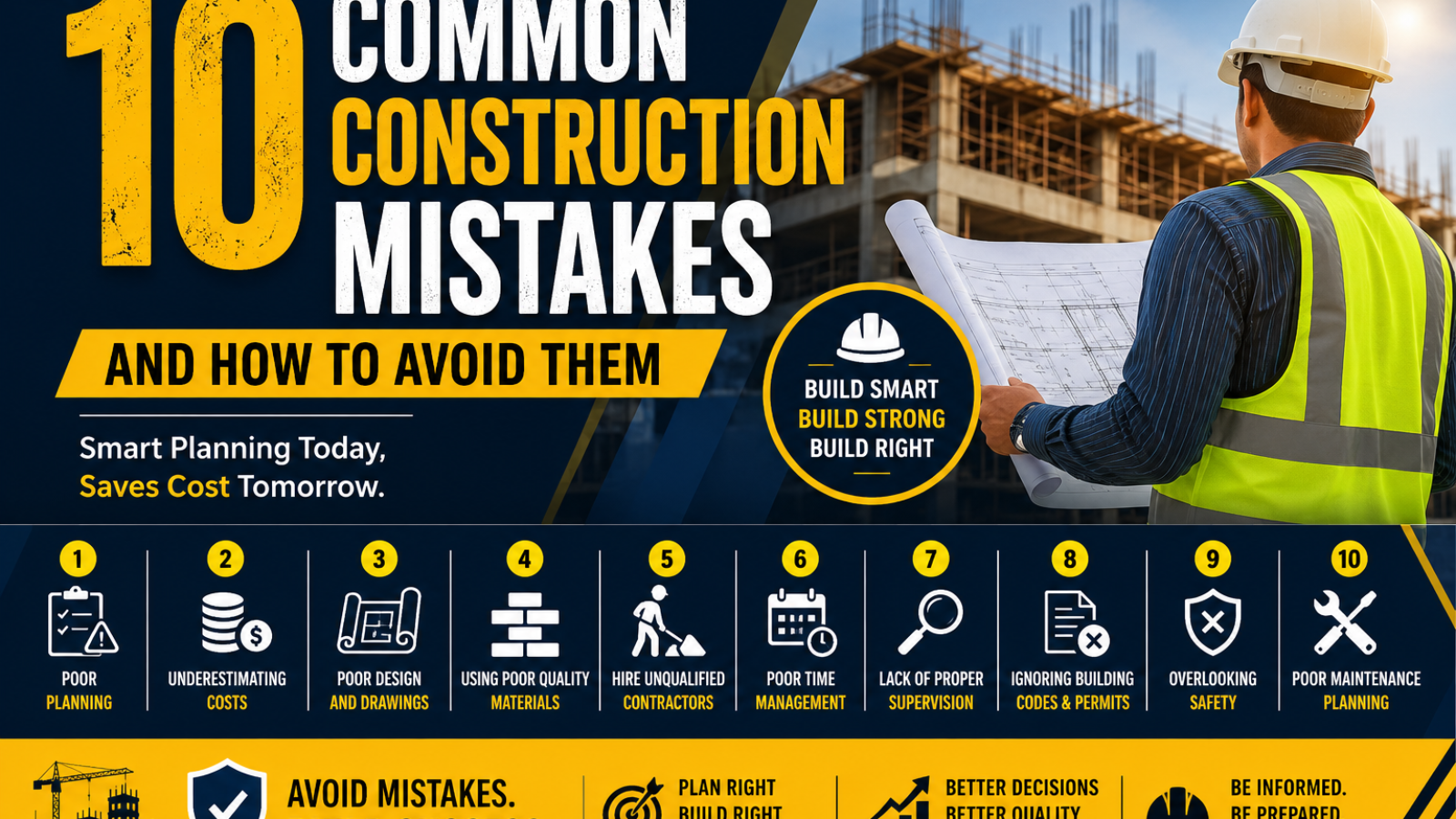
Construction projects, whether residential, commercial, or industrial, require careful planning to ensure they are completed on time, within budget, and to the highest quality standards. Proper planning reduces risks, minimizes delays, improves communication, and helps deliver successful outcomes.
At PYMMAK Construction and Engineering Services Limited, we understand that every successful project begins with a solid plan. This guide outlines the essential steps involved in planning a construction project that meets your goals while maintaining safety, efficiency, and quality.
Why Construction Planning Matters
Planning serves as the foundation of every construction project. Without a clear strategy, projects often experience:
- Budget overruns
- Schedule delays
- Poor workmanship
- Material shortages
- Safety incidents
- Communication breakdowns
Effective planning allows stakeholders to anticipate challenges before they become costly problems.
Step 1: Define Project Objectives
Every project starts with a clear understanding of its purpose.
Ask questions such as:
- What is the project intended to achieve?
- Who will use the building?
- What are the long-term goals?
- What quality standards are required?
Clearly defining objectives ensures everyone works toward the same vision.
Step 2: Conduct a Site Assessment
Before construction begins, engineers and surveyors evaluate the site.
Important considerations include:
- Soil conditions
- Drainage
- Accessibility
- Existing infrastructure
- Environmental factors
- Utility connections
- Topography
A thorough site assessment identifies potential risks and influences the project’s design and construction methods.
Step 3: Establish a Realistic Budget
Budgeting involves much more than estimating material costs.
A comprehensive construction budget includes:
- Land preparation
- Design and architectural fees
- Engineering services
- Building permits
- Materials
- Equipment
- Labor
- Utilities
- Transportation
- Contingency funds
- Finishing works
Including a contingency reserve helps cover unforeseen expenses without disrupting progress.
Step 4: Develop Detailed Designs
Architects and engineers transform ideas into detailed construction drawings.
These typically include:
- Architectural plans
- Structural drawings
- Electrical layouts
- Plumbing systems
- Mechanical designs
- Landscape plans
Accurate drawings reduce construction errors and improve coordination among contractors.
Step 5: Obtain Necessary Approvals
Construction projects must comply with local regulations and building codes.
Depending on the project, approvals may include:
- Building permits
- Environmental approvals
- Utility approvals
- Fire safety certifications
- Occupational safety compliance
Obtaining approvals early helps avoid costly delays later.
Step 6: Select the Right Construction Team
Choosing experienced professionals significantly impacts project success.
Look for a contractor with:
- Proven experience
- Qualified engineers
- Skilled workforce
- Modern equipment
- Strong safety record
- Transparent communication
- Positive client references
An experienced contractor delivers quality workmanship while minimizing project risks.
Step 7: Create a Project Schedule
A construction schedule outlines:
- Major milestones
- Procurement timelines
- Foundation work
- Structural construction
- Roofing
- Mechanical installations
- Electrical works
- Interior finishing
- Final inspections
Project management software is often used to monitor progress and identify delays early.
Step 8: Procure Quality Materials
Using high-quality construction materials improves durability and reduces long-term maintenance costs.
Factors to consider include:
- Supplier reputation
- Product certifications
- Delivery timelines
- Material availability
- Cost-effectiveness
- Sustainability
Reliable suppliers help maintain project schedules.
Step 9: Prioritize Safety
Construction sites involve numerous hazards.
An effective safety program includes:
- Personal protective equipment (PPE)
- Worker training
- Daily toolbox talks
- Emergency procedures
- Equipment inspections
- Safe lifting practices
- Hazard identification
A strong safety culture protects workers and reduces costly accidents.
Step 10: Monitor Progress
Regular inspections help ensure work meets specifications.
Project managers should monitor:
- Budget performance
- Schedule adherence
- Quality standards
- Safety compliance
- Material usage
- Client satisfaction
Frequent reporting keeps stakeholders informed and supports timely decision-making.
Common Construction Planning Mistakes
Many projects fail due to avoidable planning errors, such as:
- Inadequate budgeting
- Poor communication
- Unrealistic deadlines
- Ignoring site conditions
- Hiring inexperienced contractors
- Delayed procurement
- Lack of risk management
- Insufficient supervision
Avoiding these pitfalls significantly increases the likelihood of project success.
The Role of Technology in Construction Planning
Modern construction increasingly relies on technology to improve efficiency.
Examples include:
- Building Information Modeling (BIM)
- Drone site surveys
- GPS equipment
- Construction management software
- Digital document management
- 3D visualization
- Cloud collaboration tools
Technology enhances accuracy, coordination, and productivity throughout the project lifecycle.
Sustainability in Construction Planning
Sustainable planning benefits both clients and the environment.
Consider incorporating:
- Energy-efficient designs
- Solar energy systems
- Rainwater harvesting
- Recycled building materials
- Natural ventilation
- Efficient insulation
- Water-saving fixtures
Green construction reduces operating costs while supporting environmental conservation.
Why Work with PYMMAK Construction and Engineering Services Limited?
At PYMMAK Construction and Engineering Services Limited, we provide comprehensive construction solutions tailored to each client’s unique needs. Our experienced team is committed to delivering projects that meet the highest standards of quality, safety, and efficiency.
Our services include:
- Building construction
- Civil engineering works
- Road construction
- Renovation and remodeling
- Structural engineering
- Project management
- Site supervision
- Infrastructure development
From initial planning to project completion, we focus on excellence, innovation, and client satisfaction.
Conclusion
Every successful construction project begins with careful planning. Defining clear objectives, preparing realistic budgets, selecting experienced professionals, ensuring regulatory compliance, and maintaining effective communication create the foundation for outstanding results.
Whether you are building a home, commercial facility, or large-scale infrastructure project, investing time in proper planning will save money, reduce risks, and improve the overall quality of your project.
If you are looking for a trusted construction partner in Uganda, PYMMAK Construction and Engineering Services Limited is ready to help turn your vision into reality with professional expertise and reliable construction solutions.
Frequently Asked Questions (FAQs)How long should construction planning take?
Planning timelines vary depending on project size, but thorough planning before construction begins is essential for success.
Why is budgeting important in construction?
A realistic budget helps manage costs, allocate resources effectively, and avoid financial surprises during the project.
What is the biggest cause of construction delays?
Common causes include poor planning, weather conditions, material shortages, design changes, and permit delays.
Why should I hire a professional construction company?
Experienced contractors provide technical expertise, quality workmanship, project management, and compliance with safety and building regulations.
What makes a construction project successful?
Successful projects combine effective planning, skilled professionals, quality materials, strong communication, and continuous monitoring throughout the construction process.