0-0x0-0-0#

How to Choose the Right Construction Company: 15 Factors Every Client Should Consider

Selecting the right construction company is one of the most important decisions you will make when planning a building or infrastructure project. Whether you are constructing a family home, office complex, commercial building, road, or industrial facility, the contractor you hire will significantly influence the quality, cost, and success of the project.

With many construction firms available, knowing how to identify a reliable and experienced contractor can save you time, money, and unnecessary stress.

At PYMMAK Construction and Engineering Services Limited, we believe that informed clients make better decisions. This guide highlights the most important factors to consider when selecting a construction company.


Why Choosing the Right Contractor Matters

A professional construction company provides much more than labor. They offer expertise, project management, engineering knowledge, quality assurance, and regulatory compliance.

Hiring the wrong contractor can lead to:

  • Poor workmanship
  • Budget overruns
  • Missed deadlines
  • Safety issues
  • Legal disputes
  • Structural defects
  • Increased maintenance costs

A qualified contractor minimizes these risks while delivering a durable, high-quality project.


1. Experience in the Construction Industry

Experience is one of the strongest indicators of a contractor’s ability to deliver successful projects.

An experienced construction company has likely encountered a wide range of challenges and developed effective solutions for managing them.

Look for experience in:

  • Residential construction
  • Commercial buildings
  • Industrial facilities
  • Civil engineering
  • Road construction
  • Infrastructure projects
  • Renovation and remodeling

2. Proper Licensing and Registration

Always verify that the construction company is legally registered and authorized to operate.

A licensed contractor demonstrates professionalism and compliance with industry regulations.

Ask for:

  • Company registration documents
  • Construction licenses
  • Tax compliance certificates
  • Business permits

Working with a legitimate company protects your investment.


3. Qualified Engineers and Technical Staff

Construction projects require specialized knowledge.

A reputable company should employ:

  • Civil engineers
  • Structural engineers
  • Quantity surveyors
  • Architects
  • Project managers
  • Site supervisors
  • Skilled technicians

Their expertise ensures the project meets engineering and safety standards.


4. Strong Portfolio of Completed Projects

Reviewing previous work helps you evaluate the company’s capabilities.

Ask to see examples of:

  • Residential homes
  • Office buildings
  • Warehouses
  • Schools
  • Hospitals
  • Roads
  • Bridges
  • Renovation projects

A diverse portfolio demonstrates versatility and technical competence.


5. Positive Client Testimonials

Satisfied clients are a strong sign of reliable service.

Look for feedback regarding:

  • Work quality
  • Communication
  • Professionalism
  • Timely completion
  • Budget management
  • Problem-solving

References from previous clients provide valuable insight into the company’s reputation.


6. Commitment to Safety

Construction sites present numerous hazards.

A professional contractor prioritizes safety by implementing:

  • Worker training
  • Personal protective equipment (PPE)
  • Site safety inspections
  • Emergency response plans
  • Hazard identification
  • Equipment maintenance

A safe project is more productive and less likely to experience costly disruptions.


7. Transparent Pricing

Reliable construction companies provide detailed quotations that clearly explain project costs.

A professional estimate should include:

  • Labor
  • Materials
  • Equipment
  • Site preparation
  • Permits
  • Project management
  • Contingency costs

Avoid contractors who offer unrealistically low prices without proper documentation.


8. Effective Communication

Construction projects involve constant coordination between clients, engineers, suppliers, and subcontractors.

Choose a company that:

  • Responds promptly
  • Provides regular updates
  • Explains technical information clearly
  • Addresses concerns professionally
  • Maintains open communication throughout the project

Good communication builds trust and reduces misunderstandings.


9. Quality Building Materials

The durability of any structure depends heavily on the quality of materials used.

Professional contractors source materials from trusted suppliers and ensure they meet required standards.

Common materials include:

  • Cement
  • Steel reinforcement
  • Concrete
  • Roofing materials
  • Electrical components
  • Plumbing fixtures
  • Finishing materials

High-quality materials reduce future repair and maintenance costs.


10. Modern Construction Equipment

Advanced equipment improves efficiency and project quality.

Leading construction companies invest in:

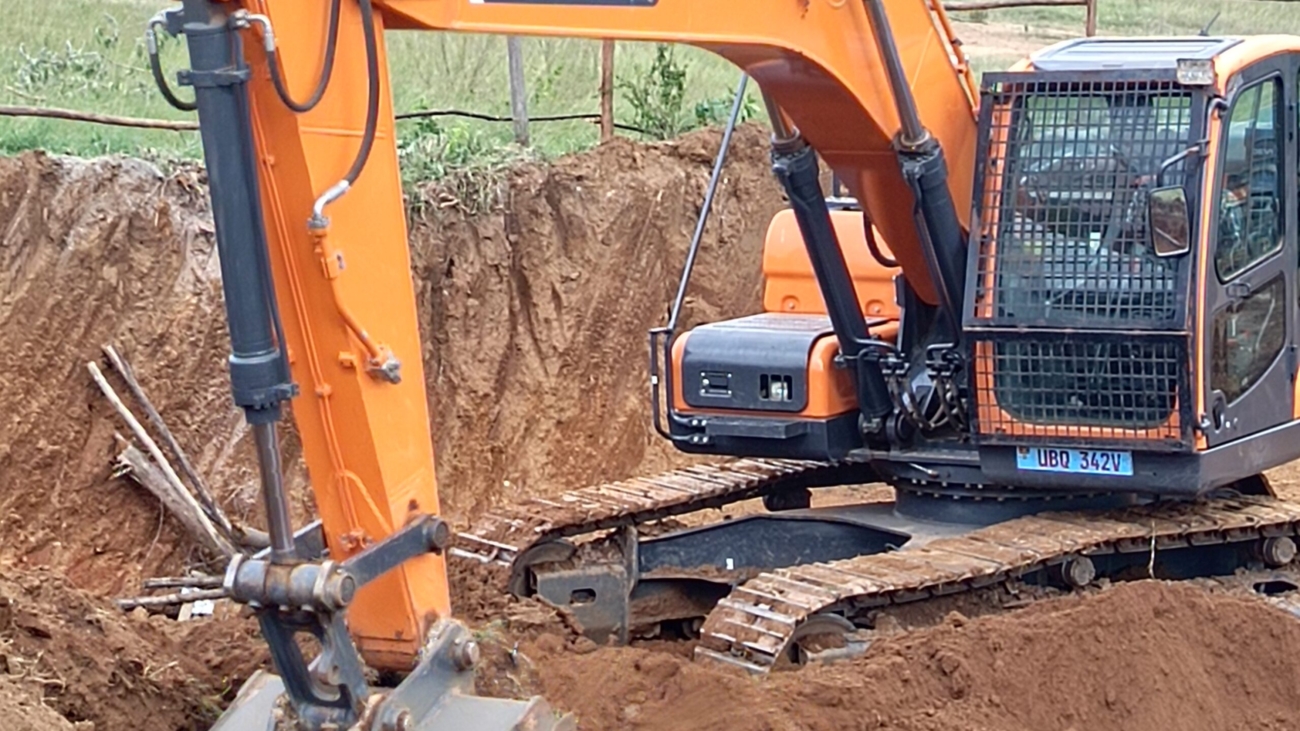
  • Excavators
  • Concrete mixers
  • Cranes
  • Surveying equipment
  • Compactors
  • GPS-guided machinery
  • Digital measuring tools

Modern equipment allows projects to be completed more safely and efficiently.


11. Project Management Expertise

Successful construction depends on effective planning and coordination.

Professional project managers oversee:

  • Scheduling
  • Budget control
  • Resource allocation
  • Procurement
  • Quality assurance
  • Risk management
  • Client communication

Strong project management helps keep projects on time and within budget.


12. Environmental Responsibility

Today’s construction industry increasingly emphasizes sustainable building practices.

Environmentally responsible contractors:

  • Reduce waste
  • Recycle materials
  • Minimize pollution
  • Use energy-efficient designs
  • Protect natural resources
  • Comply with environmental regulations

Sustainable construction benefits both clients and communities.


13. Warranty and After-Sales Support

A reputable contractor stands behind their work.

Ask whether the company provides warranties covering:

  • Structural integrity
  • Workmanship
  • Materials
  • Defect correction

After-project support demonstrates confidence in the quality of construction.


14. Ability to Meet Deadlines

Time is a valuable resource in construction.

An experienced contractor develops realistic schedules and monitors progress to ensure timely completion.

Reliable companies:

  • Plan efficiently
  • Coordinate suppliers
  • Monitor milestones
  • Manage risks proactively

Delivering projects on schedule minimizes additional costs.


15. Commitment to Customer Satisfaction

The best construction companies build lasting relationships, not just buildings.

Signs of excellent customer service include:

  • Professional conduct
  • Honest advice
  • Transparency
  • Flexible problem-solving
  • Attention to detail
  • Commitment to quality

A customer-focused company works to exceed expectations at every stage of the project.


Questions to Ask Before Hiring a Construction Company

Before signing a contract, consider asking:

  • How many years have you been in business?
  • Can you provide references?
  • Who will supervise my project?
  • How do you manage project timelines?
  • What quality control measures do you use?
  • How do you handle unexpected changes?
  • What safety procedures are in place?
  • Do you offer warranties?

These questions help you make an informed decision.


Why Choose PYMMAK Construction and Engineering Services Limited?

At PYMMAK Construction and Engineering Services Limited, we are committed to delivering exceptional construction and engineering solutions across Uganda.

Our core strengths include:

  • Experienced engineers and technical professionals
  • High-quality workmanship
  • Transparent project management
  • Strict adherence to safety standards
  • Reliable scheduling and cost control
  • Modern construction equipment
  • Sustainable construction practices
  • Personalized client service

Whether your project is residential, commercial, or infrastructure-related, we have the expertise to deliver results that exceed expectations.


Conclusion

Choosing the right construction company is one of the most important investments in the success of your project. By evaluating experience, qualifications, safety practices, communication, quality standards, and customer service, you can confidently select a contractor who will bring your vision to life.

At PYMMAK Construction and Engineering Services Limited, we combine engineering excellence, innovative solutions, and a commitment to quality to deliver projects that stand the test of time.

If you’re planning your next construction project, partner with a team dedicated to building with integrity, precision, and professionalism.


Frequently Asked Questions (FAQs)

How do I know if a construction company is trustworthy?

Check their experience, licenses, client reviews, completed projects, and ability to provide detailed project proposals and references.

Why shouldn’t I choose the cheapest contractor?

The lowest price may result in poor-quality materials, inexperienced workers, delays, or costly repairs in the future.

What documents should I request before hiring a contractor?

Request company registration documents, licenses, insurance details, project references, and a detailed quotation.

How important is project management?

Effective project management helps control costs, coordinate activities, manage risks, and ensure the project is completed on time.

Why should I choose PYMMAK Construction and Engineering Services Limited?

Our experienced team, commitment to quality, modern construction methods, transparent communication, and customer-focused approach make us a trusted partner for construction and engineering projects across Uganda.

d87d72679d6e446f8aa2a59cd27d8b65

Top 10 Construction Trends Shaping the Industry in 2026

The construction industry is evolving faster than ever. Advances in technology, sustainability initiatives, and changing client expectations are reshaping how buildings and infrastructure are designed, constructed, and maintained. Companies that embrace these innovations are better positioned to deliver safer, more efficient, and higher-quality projects.

At PYMMAK Construction and Engineering Services Limited, we continuously adopt modern construction practices to provide innovative, cost-effective, and durable solutions for our clients. Here are the top 10 trends driving the future of construction.

1. Sustainable and Green Construction

Sustainability is no longer optional—it is becoming a standard expectation. Clients, governments, and investors increasingly prioritize environmentally responsible construction practices.

Green construction focuses on:

  • Energy-efficient building designs
  • Environmentally friendly building materials
  • Solar power integration
  • Rainwater harvesting systems
  • Natural lighting and ventilation
  • Waste reduction and recycling
  • Water-efficient plumbing systems

Sustainable buildings reduce operational costs while contributing to environmental conservation.

2. Building Information Modeling (BIM)

Building Information Modeling (BIM) has transformed the planning and execution of construction projects.

Instead of relying solely on 2D drawings, BIM creates detailed 3D digital models that integrate architectural, structural, electrical, and mechanical designs into a single collaborative platform.

Benefits of BIM include:

  • Improved design accuracy
  • Better collaboration between project teams
  • Early detection of design conflicts
  • Reduced project delays
  • More accurate cost estimation
  • Enhanced project visualization

BIM improves decision-making throughout the project lifecycle.

3. Smart Buildings

Modern buildings are becoming increasingly intelligent through the integration of advanced technologies.

Smart buildings utilize systems such as:

  • Automated lighting
  • Smart HVAC controls
  • Intelligent security systems
  • Energy monitoring
  • Occupancy sensors
  • Remote building management

These technologies enhance comfort, improve security, and reduce energy consumption.

4. Artificial Intelligence (AI) in Construction

Artificial Intelligence is streamlining project planning and execution.

AI-powered solutions can:

  • Predict project risks
  • Optimize construction schedules
  • Analyze project data
  • Improve resource allocation
  • Monitor equipment performance
  • Enhance quality control

As AI continues to evolve, construction companies can make faster, more informed decisions.

5. Drone Technology

Drones have become valuable tools for construction professionals.

They are commonly used for:

  • Site surveys
  • Progress monitoring
  • Aerial photography
  • Topographical mapping
  • Safety inspections
  • Earthwork calculations

Drone technology saves time, improves accuracy, and reduces the need for manual inspections in hazardous areas.

6. Modular and Prefabricated Construction

Prefabrication involves manufacturing building components in controlled factory environments before transporting them to the construction site for assembly.

Advantages include:

  • Faster project completion
  • Reduced material waste
  • Improved quality control
  • Lower labor costs
  • Greater construction precision
  • Reduced weather-related delays

Modular construction is increasingly popular for residential, commercial, healthcare, and educational buildings.

7. Digital Project Management

Construction companies are moving away from paper-based processes and adopting digital management systems.

Modern project management platforms help teams:

  • Track project progress
  • Manage budgets
  • Coordinate subcontractors
  • Schedule activities
  • Store project documents
  • Improve communication
  • Generate reports in real time

Digital tools improve transparency and efficiency across every phase of construction.

8. Improved Construction Safety

Worker safety remains a top priority across the industry.

Construction companies are investing in:

  • Advanced personal protective equipment (PPE)
  • Wearable safety devices
  • Safety management software
  • Real-time hazard monitoring
  • Digital safety training
  • Automated incident reporting

A proactive safety culture reduces accidents and improves productivity.

9. Advanced Construction Equipment

Construction machinery continues to become more efficient and technologically advanced.

Examples include:

  • GPS-guided excavators
  • Automated grading equipment
  • Fuel-efficient machinery
  • Electric construction equipment
  • Remote-controlled machines
  • Smart maintenance systems

Modern equipment increases productivity while reducing operational costs.

10. Skilled Workforce Development

As technology advances, construction professionals require new skills to remain competitive.

Leading companies invest in:

  • Technical training
  • Safety certification
  • Digital construction tools
  • Leadership development
  • Engineering education
  • Equipment operation training

Continuous learning ensures construction teams can successfully deliver increasingly complex projects.

How These Trends Benefit Clients

Modern construction practices offer significant advantages to clients, including:

  • Faster project delivery
  • Improved quality
  • Lower long-term maintenance costs
  • Enhanced energy efficiency
  • Better safety standards
  • Greater project transparency
  • More accurate budgeting
  • Reduced environmental impact

By embracing innovation, construction companies provide greater value and long-lasting results.

The Future of Construction

The future of construction will be driven by technology, sustainability, and collaboration. Innovations such as robotics, artificial intelligence, digital twins, 3D printing, and advanced materials will continue transforming how projects are delivered.

Companies that invest in these technologies today will be better prepared to meet tomorrow’s challenges and client expectations.

Why Choose PYMMAK Construction and Engineering Services Limited?

At PYMMAK Construction and Engineering Services Limited, we combine engineering expertise with modern construction methods to deliver projects that are efficient, durable, and cost-effective.

Our services include:

  • Residential construction
  • Commercial construction
  • Civil engineering works
  • Road construction
  • Infrastructure development
  • Building renovations
  • Project management
  • Structural engineering
  • Site supervision

We are committed to delivering innovative solutions that meet the highest standards of quality, safety, and sustainability.

Conclusion

The construction industry is experiencing an exciting transformation. From sustainable building practices and smart technologies to AI-driven project management and modular construction, these trends are improving efficiency, reducing costs, and enhancing project outcomes.

Whether you’re planning a new home, commercial development, or infrastructure project, partnering with a forward-thinking construction company ensures your investment benefits from the latest industry innovations.

With a focus on quality, innovation, and client satisfaction, PYMMAK Construction and Engineering Services Limited is ready to help bring your construction vision to life.


Frequently Asked Questions (FAQs)

What is the biggest trend in construction today?

Sustainable construction and digital technologies such as Building Information Modeling (BIM) are among the most influential trends shaping the industry.

How does BIM improve construction projects?

BIM enhances collaboration, reduces design errors, improves cost estimation, and helps teams identify issues before construction begins.

Why is sustainability important in construction?

Sustainable construction reduces environmental impact, lowers operating costs, and creates healthier, more energy-efficient buildings.

Are drones commonly used in construction?

Yes. Drones are widely used for site surveys, inspections, progress monitoring, and project documentation.

How can modern construction technology reduce project costs?

Technology improves planning, reduces material waste, minimizes errors, enhances productivity, and helps complete projects more efficiently, leading to lower overall costs.

new22

The Ultimate Guide to Planning a Construction Project

Construction projects, whether residential, commercial, or industrial, require careful planning to ensure they are completed on time, within budget, and to the highest quality standards. Proper planning reduces risks, minimizes delays, improves communication, and helps deliver successful outcomes.

At PYMMAK Construction and Engineering Services Limited, we understand that every successful project begins with a solid plan. This guide outlines the essential steps involved in planning a construction project that meets your goals while maintaining safety, efficiency, and quality.

Why Construction Planning Matters

Planning serves as the foundation of every construction project. Without a clear strategy, projects often experience:

  • Budget overruns
  • Schedule delays
  • Poor workmanship
  • Material shortages
  • Safety incidents
  • Communication breakdowns

Effective planning allows stakeholders to anticipate challenges before they become costly problems.

Step 1: Define Project Objectives

Every project starts with a clear understanding of its purpose.

Ask questions such as:

  • What is the project intended to achieve?
  • Who will use the building?
  • What are the long-term goals?
  • What quality standards are required?

Clearly defining objectives ensures everyone works toward the same vision.

Step 2: Conduct a Site Assessment

Before construction begins, engineers and surveyors evaluate the site.

Important considerations include:

  • Soil conditions
  • Drainage
  • Accessibility
  • Existing infrastructure
  • Environmental factors
  • Utility connections
  • Topography

A thorough site assessment identifies potential risks and influences the project’s design and construction methods.

Step 3: Establish a Realistic Budget

Budgeting involves much more than estimating material costs.

A comprehensive construction budget includes:

  • Land preparation
  • Design and architectural fees
  • Engineering services
  • Building permits
  • Materials
  • Equipment
  • Labor
  • Utilities
  • Transportation
  • Contingency funds
  • Finishing works

Including a contingency reserve helps cover unforeseen expenses without disrupting progress.

Step 4: Develop Detailed Designs

Architects and engineers transform ideas into detailed construction drawings.

These typically include:

  • Architectural plans
  • Structural drawings
  • Electrical layouts
  • Plumbing systems
  • Mechanical designs
  • Landscape plans

Accurate drawings reduce construction errors and improve coordination among contractors.

Step 5: Obtain Necessary Approvals

Construction projects must comply with local regulations and building codes.

Depending on the project, approvals may include:

  • Building permits
  • Environmental approvals
  • Utility approvals
  • Fire safety certifications
  • Occupational safety compliance

Obtaining approvals early helps avoid costly delays later.

Step 6: Select the Right Construction Team

Choosing experienced professionals significantly impacts project success.

Look for a contractor with:

  • Proven experience
  • Qualified engineers
  • Skilled workforce
  • Modern equipment
  • Strong safety record
  • Transparent communication
  • Positive client references

An experienced contractor delivers quality workmanship while minimizing project risks.

Step 7: Create a Project Schedule

A construction schedule outlines:

  • Major milestones
  • Procurement timelines
  • Foundation work
  • Structural construction
  • Roofing
  • Mechanical installations
  • Electrical works
  • Interior finishing
  • Final inspections

Project management software is often used to monitor progress and identify delays early.

Step 8: Procure Quality Materials

Using high-quality construction materials improves durability and reduces long-term maintenance costs.

Factors to consider include:

  • Supplier reputation
  • Product certifications
  • Delivery timelines
  • Material availability
  • Cost-effectiveness
  • Sustainability

Reliable suppliers help maintain project schedules.

Step 9: Prioritize Safety

Construction sites involve numerous hazards.

An effective safety program includes:

  • Personal protective equipment (PPE)
  • Worker training
  • Daily toolbox talks
  • Emergency procedures
  • Equipment inspections
  • Safe lifting practices
  • Hazard identification

A strong safety culture protects workers and reduces costly accidents.

Step 10: Monitor Progress

Regular inspections help ensure work meets specifications.

Project managers should monitor:

  • Budget performance
  • Schedule adherence
  • Quality standards
  • Safety compliance
  • Material usage
  • Client satisfaction

Frequent reporting keeps stakeholders informed and supports timely decision-making.

Common Construction Planning Mistakes

Many projects fail due to avoidable planning errors, such as:

  • Inadequate budgeting
  • Poor communication
  • Unrealistic deadlines
  • Ignoring site conditions
  • Hiring inexperienced contractors
  • Delayed procurement
  • Lack of risk management
  • Insufficient supervision

Avoiding these pitfalls significantly increases the likelihood of project success.

The Role of Technology in Construction Planning

Modern construction increasingly relies on technology to improve efficiency.

Examples include:

  • Building Information Modeling (BIM)
  • Drone site surveys
  • GPS equipment
  • Construction management software
  • Digital document management
  • 3D visualization
  • Cloud collaboration tools

Technology enhances accuracy, coordination, and productivity throughout the project lifecycle.

Sustainability in Construction Planning

Sustainable planning benefits both clients and the environment.

Consider incorporating:

  • Energy-efficient designs
  • Solar energy systems
  • Rainwater harvesting
  • Recycled building materials
  • Natural ventilation
  • Efficient insulation
  • Water-saving fixtures

Green construction reduces operating costs while supporting environmental conservation.

Why Work with PYMMAK Construction and Engineering Services Limited?

At PYMMAK Construction and Engineering Services Limited, we provide comprehensive construction solutions tailored to each client’s unique needs. Our experienced team is committed to delivering projects that meet the highest standards of quality, safety, and efficiency.

Our services include:

  • Building construction
  • Civil engineering works
  • Road construction
  • Renovation and remodeling
  • Structural engineering
  • Project management
  • Site supervision
  • Infrastructure development

From initial planning to project completion, we focus on excellence, innovation, and client satisfaction.

Conclusion

Every successful construction project begins with careful planning. Defining clear objectives, preparing realistic budgets, selecting experienced professionals, ensuring regulatory compliance, and maintaining effective communication create the foundation for outstanding results.

Whether you are building a home, commercial facility, or large-scale infrastructure project, investing time in proper planning will save money, reduce risks, and improve the overall quality of your project.

If you are looking for a trusted construction partner in Uganda, PYMMAK Construction and Engineering Services Limited is ready to help turn your vision into reality with professional expertise and reliable construction solutions.

Frequently Asked Questions (FAQs)How long should construction planning take?

Planning timelines vary depending on project size, but thorough planning before construction begins is essential for success.

Why is budgeting important in construction?

A realistic budget helps manage costs, allocate resources effectively, and avoid financial surprises during the project.

What is the biggest cause of construction delays?

Common causes include poor planning, weather conditions, material shortages, design changes, and permit delays.

Why should I hire a professional construction company?

Experienced contractors provide technical expertise, quality workmanship, project management, and compliance with safety and building regulations.

What makes a construction project successful?

Successful projects combine effective planning, skilled professionals, quality materials, strong communication, and continuous monitoring throughout the construction process.